Norway, a country known for its stunning natural landscapes and commitment to sustainability, is not immune to the impacts of global warming. In recent years, Norway has experienced firsthand the effects of rising temperatures, melting glaciers, changing weather patterns, and other consequences of climate change.
Category : | Sub Category : Posted on 2025-11-03 22:25:23
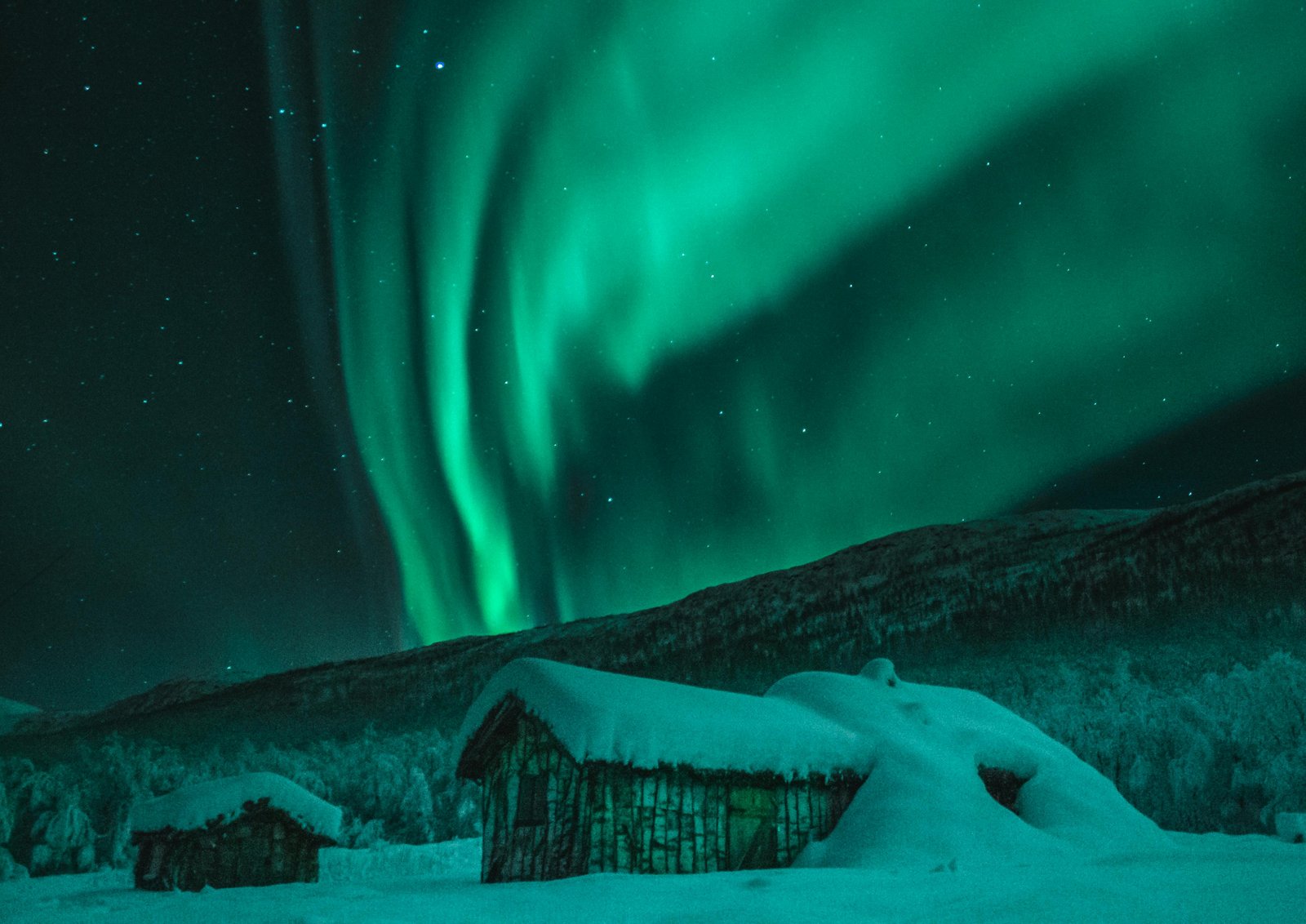
One of the most evident impacts of global warming in Norway is the rapidly melting ice in the Arctic regions. The country's glaciers are receding at an alarming rate, leading to a loss of freshwater resources and contributing to rising sea levels. This not only threatens the local ecosystems but also has implications for global climate stability. In addition to the melting glaciers, Norway is also experiencing changes in its wildlife populations. Species that are adapted to colder climates are being forced to migrate to higher latitudes or elevations in search of suitable habitats. This disruption in the natural balance can have cascading effects on entire ecosystems. Furthermore, the warming climate in Norway has implications for the country's economy, particularly its agriculture, fishing, and tourism industries. Shifts in temperature and precipitation patterns can impact crop yields, fish stocks, and the availability of winter sports activities. These changes can have far-reaching consequences for local livelihoods and the overall economy. In response to the challenges posed by global warming, Norway has taken steps to reduce its greenhouse gas emissions and transition towards a more sustainable future. The country has set ambitious targets for carbon neutrality and has invested in renewable energy sources such as hydropower, wind, and solar. Norway is also a pioneer in electric transportation, with a high percentage of electric vehicles on its roads. Despite these efforts, the effects of global warming in Norway continue to be felt, underscoring the urgent need for collective action to mitigate climate change. As one of the world's wealthiest and most environmentally conscious nations, Norway has a crucial role to play in leading the global fight against climate change and preserving the planet for future generations. Check the link below: https://www.cruzar.org Also Check the following website https://www.abandonar.org For more information: https://www.culturelle.org visit: https://www.departements.org For the latest research, visit https://www.regionales.net
Leave a Comment:
SEARCH
Recent News
- Zurich, Switzerland and Oslo, Norway are two European cities known for their stunning beauty, vibrant cultures, and high quality of life. Both cities offer a mix of modern amenities and historic charm, making them popular destinations for travelers looking to immerse themselves in European culture.
- Zurich, Switzerland: Discovering the Vibrant Norwegian Music Scene
- Zurich, Switzerland, and Norwegian energy may seem like an unlikely pairing, but these two entities are actually connected when it comes to sustainable living and renewable energy practices. Zurich, known for its picturesque landscape, vibrant culture, and high quality of life, has been leading the way in environmental conservation and energy efficiency. On the other hand, Norway is renowned for its focus on clean and renewable energy sources, particularly hydropower.
- Zurich, Switzerland is a city known for its stunning views, picturesque streets, and vibrant culture. It is also a melting pot of diverse culinary influences, with a wide range of cuisines to choose from. One such cuisine that has made its mark in Zurich is Norwegian cuisine.
- Located in the heart of Switzerland, Zurich is a bustling city known for its financial prowess and picturesque landscapes. With a strong economy and business-friendly environment, Zurich attracts companies from around the world, including Norwegian businesses looking to expand their operations into new markets.
- YouTube Content Creation and Translation: Promoting Norwegian Music Worldwide
- Norwegian energy companies are making a significant impact on YouTube by creating engaging and informative content about the country's energy sector. With a focus on sustainability and innovation, these companies are using the platform to reach a global audience and promote their efforts in renewable energy production.
- Norwegian Cuisine: A Delicious Exploration for YouTube Content Creation and Translation
READ MORE
11 months ago Category :

Zurich, Switzerland and Oslo, Norway are two European cities known for their stunning beauty, vibrant cultures, and high quality of life. Both cities offer a mix of modern amenities and historic charm, making them popular destinations for travelers looking to immerse themselves in European culture.
Read More →11 months ago Category :

Zurich, Switzerland: Discovering the Vibrant Norwegian Music Scene
Read More →11 months ago Category :

Zurich, Switzerland, and Norwegian energy may seem like an unlikely pairing, but these two entities are actually connected when it comes to sustainable living and renewable energy practices. Zurich, known for its picturesque landscape, vibrant culture, and high quality of life, has been leading the way in environmental conservation and energy efficiency. On the other hand, Norway is renowned for its focus on clean and renewable energy sources, particularly hydropower.
Read More →11 months ago Category :
