Combating Misinformation through Critical Thinking: A Case Study of Norwegian Energy
Category : | Sub Category : Posted on 2025-11-03 22:25:23
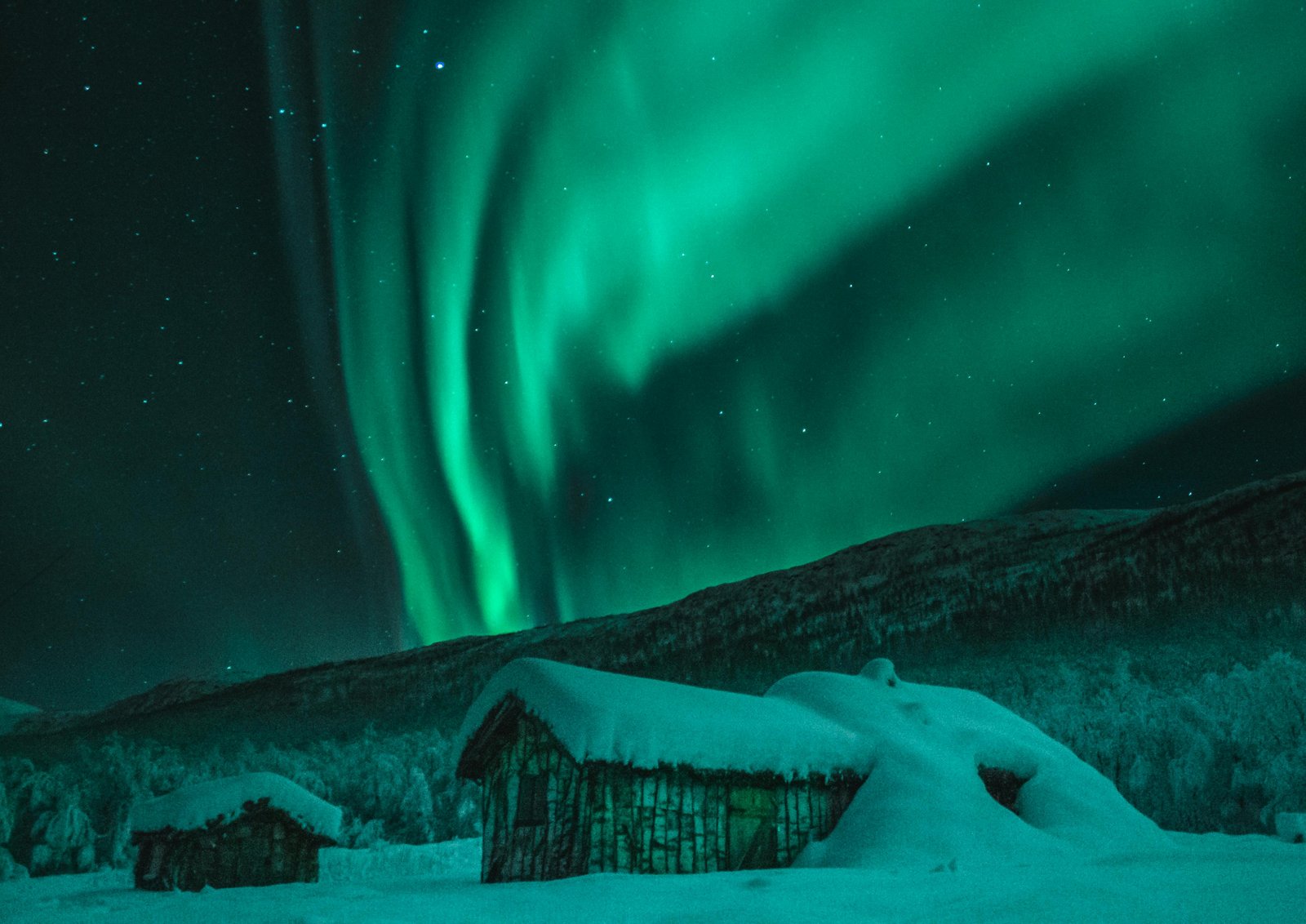
In today's digital age, misinformation spreads like wildfire, fueled by social media platforms and the internet. As a result, it is crucial for individuals to develop critical thinking skills to discern fact from fiction. This is particularly important in the realm of energy, where misinformation can have far-reaching consequences for both the environment and society. In this blog post, we will explore the importance of critical thinking in combating misinformation in the context of Norwegian energy. Norway is known for its progressive energy policies, with a strong focus on renewable sources such as hydroelectric power, wind energy, and biomass. However, even in a country with a reputation for sustainability, misinformation can still take hold. For example, there may be false claims about the environmental impact of certain energy projects, or misinformation about the efficacy of renewable energy sources compared to traditional fossil fuels. To combat this misinformation, individuals must hone their critical thinking skills. This involves questioning the sources of information, evaluating the evidence presented, and considering alternative viewpoints. In the case of Norwegian energy, individuals can critically analyze news articles, social media posts, and advertisements related to energy projects to separate fact from fiction. One key aspect of critical thinking is recognizing bias. Individuals should be aware of potential biases in the sources of information they consume and consider how this may impact the accuracy and reliability of the information presented. For example, a company advocating for a particular energy project may have a vested interest in promoting it, leading to biased information being propagated. Additionally, critical thinking involves fact-checking information to verify its accuracy. In the case of Norwegian energy, individuals can consult reliable sources such as government reports, academic studies, and reputable news outlets to validate claims and ensure they are based on sound evidence. By developing strong critical thinking skills, individuals can become more discerning consumers of information and better equipped to combat misinformation. This is crucial in the context of Norwegian energy, where accurate information is essential for making informed decisions about energy policy and sustainability efforts. In conclusion, critical thinking plays a vital role in combating misinformation in the realm of Norwegian energy. By questioning sources, recognizing bias, and fact-checking information, individuals can separate fact from fiction and make well-informed decisions about energy policies and sustainability initiatives. In an era rife with misinformation, critical thinking skills are more important than ever in ensuring a sustainable and informed society. To get a different viewpoint, consider: https://www.refueling.net
Leave a Comment:
SEARCH
Recent News
- Zurich, Switzerland and Oslo, Norway are two European cities known for their stunning beauty, vibrant cultures, and high quality of life. Both cities offer a mix of modern amenities and historic charm, making them popular destinations for travelers looking to immerse themselves in European culture.
- Zurich, Switzerland: Discovering the Vibrant Norwegian Music Scene
- Zurich, Switzerland, and Norwegian energy may seem like an unlikely pairing, but these two entities are actually connected when it comes to sustainable living and renewable energy practices. Zurich, known for its picturesque landscape, vibrant culture, and high quality of life, has been leading the way in environmental conservation and energy efficiency. On the other hand, Norway is renowned for its focus on clean and renewable energy sources, particularly hydropower.
- Zurich, Switzerland is a city known for its stunning views, picturesque streets, and vibrant culture. It is also a melting pot of diverse culinary influences, with a wide range of cuisines to choose from. One such cuisine that has made its mark in Zurich is Norwegian cuisine.
- Located in the heart of Switzerland, Zurich is a bustling city known for its financial prowess and picturesque landscapes. With a strong economy and business-friendly environment, Zurich attracts companies from around the world, including Norwegian businesses looking to expand their operations into new markets.
- YouTube Content Creation and Translation: Promoting Norwegian Music Worldwide
- Norwegian energy companies are making a significant impact on YouTube by creating engaging and informative content about the country's energy sector. With a focus on sustainability and innovation, these companies are using the platform to reach a global audience and promote their efforts in renewable energy production.
- Norwegian Cuisine: A Delicious Exploration for YouTube Content Creation and Translation
READ MORE
11 months ago Category :

Zurich, Switzerland and Oslo, Norway are two European cities known for their stunning beauty, vibrant cultures, and high quality of life. Both cities offer a mix of modern amenities and historic charm, making them popular destinations for travelers looking to immerse themselves in European culture.
Read More →11 months ago Category :

Zurich, Switzerland: Discovering the Vibrant Norwegian Music Scene
Read More →11 months ago Category :

Zurich, Switzerland, and Norwegian energy may seem like an unlikely pairing, but these two entities are actually connected when it comes to sustainable living and renewable energy practices. Zurich, known for its picturesque landscape, vibrant culture, and high quality of life, has been leading the way in environmental conservation and energy efficiency. On the other hand, Norway is renowned for its focus on clean and renewable energy sources, particularly hydropower.
Read More →11 months ago Category :
