Norwegian Energy Law and Regulations: A Comprehensive Guide
Category : | Sub Category : Posted on 2025-11-03 22:25:23
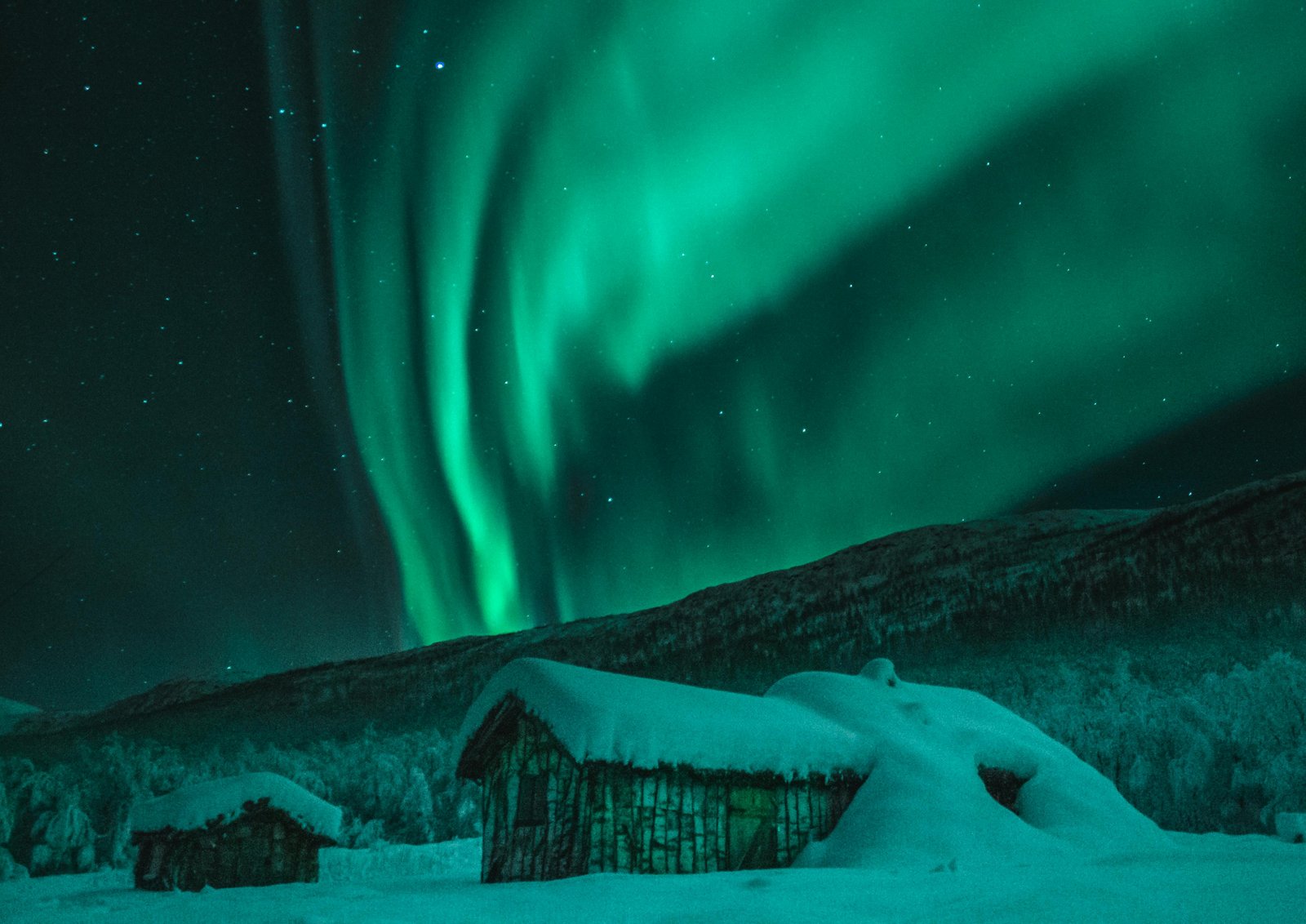
Norway is known for its robust Energy sector and commitment to sustainability. The Norwegian government has implemented a range of laws and Regulations to govern the country's energy industry, ensuring that energy production is efficient, environmentally friendly, and sustainable in the long term. In this blog post, we will explore some key aspects of Norwegian energy law and regulations to provide a comprehensive guide for those interested in this important field. 1. Energy Policy and Strategic Objectives Norway's energy policy is guided by the principles of sustainable development, security of energy supply, and economic efficiency. The country aims to reduce greenhouse gas emissions, increase the share of renewable energy sources in its energy mix, and promote energy efficiency. Norwegian energy regulations are designed to support these strategic objectives and ensure that the energy sector contributes to the country's overall sustainability goals. 2. Energy Production and Licensing The Norwegian government regulates energy production through a licensing system that grants companies the right to explore, develop, and operate energy resources. The licensing process is designed to ensure that energy projects comply with environmental regulations, safety standards, and other legal requirements. Companies operating in the Norwegian energy sector must obtain the necessary permits and approvals to carry out their activities, and they are subject to regular inspections and monitoring to ensure compliance with the law. 3. Renewable Energy Incentives Norway is a world leader in renewable energy production, with hydropower accounting for the majority of its electricity generation. The government provides various incentives to promote the development of renewable energy sources, including financial support, tax incentives, and regulatory measures. Renewable energy projects in Norway must comply with specific regulations governing their design, construction, and operation to ensure environmental protection and sustainability. 4. Energy Markets and Competition Norway has a liberalized energy market that allows for competition among energy producers and suppliers. The Norwegian Energy regulator (NVE) oversees the electricity market and enforces competition rules to ensure fair and efficient market operation. The regulator also monitors energy prices, quality of service, and consumer rights to protect the interests of energy consumers in Norway. 5. Environmental Regulations Norway has strict environmental regulations that govern the energy sector's impact on the environment, including air and water quality, noise pollution, and biodiversity conservation. Energy companies are required to conduct environmental impact assessments for their projects and implement mitigation measures to minimize their environmental footprint. The government also promotes the use of clean technologies and best practices to reduce the environmental impact of energy production and consumption in Norway. In conclusion, Norwegian energy law and regulations play a crucial role in shaping the country's energy sector and ensuring its sustainability. By adhering to these legal requirements, energy companies in Norway contribute to the country's environmental objectives, promote renewable energy development, and support a competitive and efficient energy market. As Norway continues to lead the way in sustainable energy production, its legal framework will play a vital role in guiding the industry towards a cleaner and more sustainable future. Have a look at https://www.sunpowerpanels.com You can also check following website for more information about this subject: https://www.refueling.net Explore this subject further by checking out https://www.vollmacht.org Seeking in-depth analysis? The following is a must-read. https://www.deepfaker.org Want to expand your knowledge? Start with https://www.standardized.net Dropy by for a visit at https://www.wokisme.com
Leave a Comment:
SEARCH
Recent News
- Zurich, Switzerland and Oslo, Norway are two European cities known for their stunning beauty, vibrant cultures, and high quality of life. Both cities offer a mix of modern amenities and historic charm, making them popular destinations for travelers looking to immerse themselves in European culture.
- Zurich, Switzerland: Discovering the Vibrant Norwegian Music Scene
- Zurich, Switzerland, and Norwegian energy may seem like an unlikely pairing, but these two entities are actually connected when it comes to sustainable living and renewable energy practices. Zurich, known for its picturesque landscape, vibrant culture, and high quality of life, has been leading the way in environmental conservation and energy efficiency. On the other hand, Norway is renowned for its focus on clean and renewable energy sources, particularly hydropower.
- Zurich, Switzerland is a city known for its stunning views, picturesque streets, and vibrant culture. It is also a melting pot of diverse culinary influences, with a wide range of cuisines to choose from. One such cuisine that has made its mark in Zurich is Norwegian cuisine.
- Located in the heart of Switzerland, Zurich is a bustling city known for its financial prowess and picturesque landscapes. With a strong economy and business-friendly environment, Zurich attracts companies from around the world, including Norwegian businesses looking to expand their operations into new markets.
- YouTube Content Creation and Translation: Promoting Norwegian Music Worldwide
- Norwegian energy companies are making a significant impact on YouTube by creating engaging and informative content about the country's energy sector. With a focus on sustainability and innovation, these companies are using the platform to reach a global audience and promote their efforts in renewable energy production.
- Norwegian Cuisine: A Delicious Exploration for YouTube Content Creation and Translation
READ MORE
11 months ago Category :

Zurich, Switzerland and Oslo, Norway are two European cities known for their stunning beauty, vibrant cultures, and high quality of life. Both cities offer a mix of modern amenities and historic charm, making them popular destinations for travelers looking to immerse themselves in European culture.
Read More →11 months ago Category :

Zurich, Switzerland: Discovering the Vibrant Norwegian Music Scene
Read More →11 months ago Category :

Zurich, Switzerland, and Norwegian energy may seem like an unlikely pairing, but these two entities are actually connected when it comes to sustainable living and renewable energy practices. Zurich, known for its picturesque landscape, vibrant culture, and high quality of life, has been leading the way in environmental conservation and energy efficiency. On the other hand, Norway is renowned for its focus on clean and renewable energy sources, particularly hydropower.
Read More →11 months ago Category :
